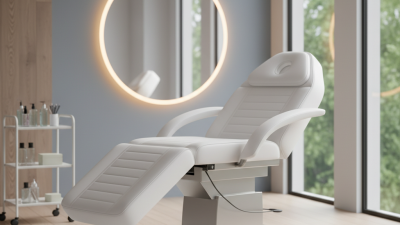
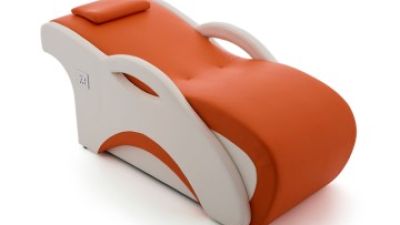
So, what are global spa buyers looking for in equipment these days? They’re shopping with tighter expectations. Comfort still matters, sure—but so do hygiene, durability, ergonomics, and after-sales support. A premium Spa Bed has to hold up treatment after treatment, not just look good in a showroom.
For context: the International Spa Association’s 2024 U.S. Spa Industry Study put spa revenue at about $21.3 billion in 2023. It also counted roughly 187 million spa visits. Those numbers point to stronger demand for reliable treatment infrastructure. And the Global Wellness Institute’s 2024 Global Wellness Economy Monitor valued the worldwide wellness economy at $6.3 trillion in 2023. It expects it to grow to nearly $9 trillion by 2028. That’s a huge opportunity—but the buying decision? Not so simple.
Beth McGroarty, VP of Research at the Global Wellness Institute, once said, “Wellness is not a luxury; it is a necessity.” That shift changes how buyers look at a Spa Bed. They need to check client comfort, therapist posture, adjustable height, upholstery seams, weight capacity, and how easy it is to clean. Electric models can smooth out workflow, while hydraulic ones may offer good value in smaller spots. Portable designs are great for mobile therapists, though stability can take a hit. And honestly? No single ranking gets it exactly right.
This guide compares leading Spa Bed options for global buyers. It looks at treatment type, operating environment, maintenance access, warranty coverage, and regional service availability. Product claims still need checking. Standards vary by market, too. A gorgeous bed can turn into an expensive mistake if replacement parts aren’t available. Careful buyers should ask for demos, technical documents, and references from working spa operators. That step feels slower. But it’s usually the wiser move.
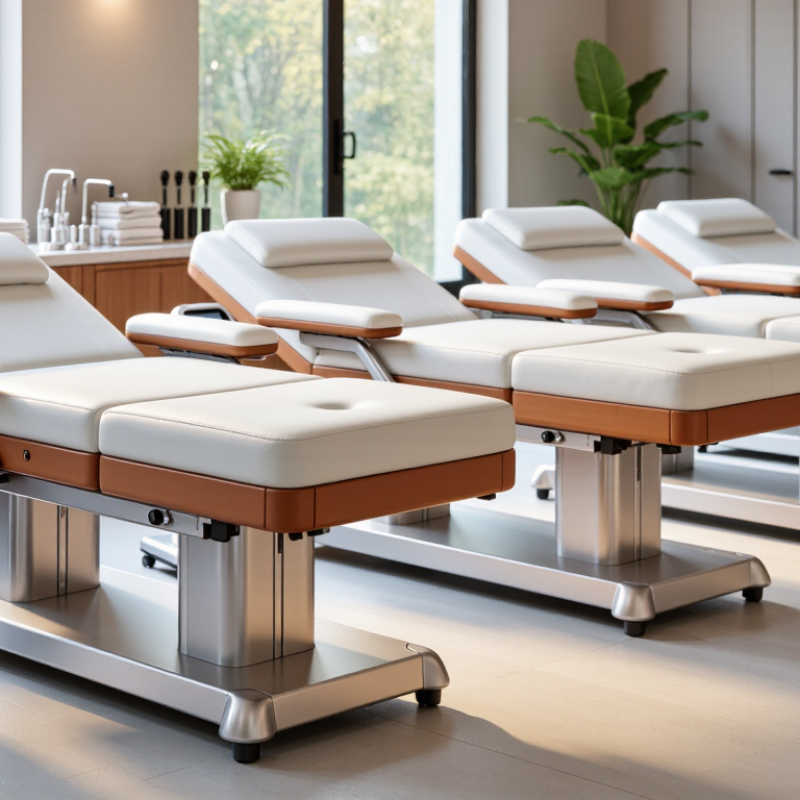
What Defines a High-Quality Spa Bed for Global Buyers?
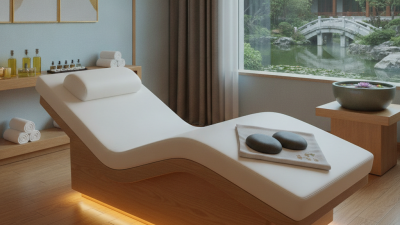
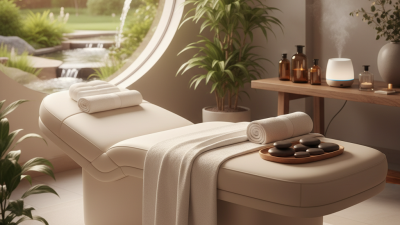
For global buyers, a high-quality Head Spa Bed must support both clients and therapists. Comfort begins with balanced body positioning. A gently contoured cushion should support the neck, shoulders, and lower back during extended treatments. The surface should feel soft, but not sink excessively. That small difference affects posture and cleaning time.
Reliable construction matters in busy spa environments. A strong frame should resist movement when clients sit down or turn. Water-resistant upholstery helps prevent moisture from entering seams. Smooth edges reduce pressure points and make disinfection easier. The drainage system should move water quickly without splashing or creating standing pools. Test it repeatedly. Real performance often differs from showroom demonstrations.
Adjustability gives one bed wider value across different markets. Height control, flexible head support, and accessible plumbing simplify daily work. Electrical parts should include clear safety documentation and suitable regional certification. Buyers should also inspect replacement-part access, warranty terms, packaging strength, and installation instructions. These details reveal how seriously a manufacturer supports overseas users. No bed is perfect. A softer cushion may improve comfort but reduce stability for some treatments. A heavier frame may feel safer but increase shipping costs. Global buyers should compare those compromises against local client needs, water conditions, room size, and service availability.
Which Types of Spa Beds Suit Different Treatment Environments?
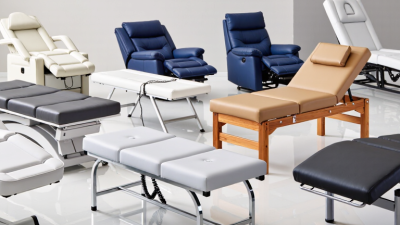
Choosing the right Spa Bed depends on the treatment environment, not appearance alone. A fixed hydraulic bed suits busy massage rooms because therapists can adjust height quickly. It also offers strong stability during deep-tissue work. A portable folding bed works better for mobile therapists, small studios, or temporary treatment spaces. It is lighter, but repeated setup may loosen fittings over time.
Facial rooms need beds with adjustable backrests and firm head support. These features help clients remain comfortable during cleansing, masks, and skin analysis. Wet treatment areas require water-resistant surfaces, sealed seams, and easy drainage around the bed. In a Bed Massage Spa setting, wider cushioning can improve relaxation, yet excessive softness may reduce therapist control. Comfort is not always better.
Tips: Measure doorways first. Check the bed’s working height, weight capacity, and cleaning instructions. A quiet motor matters in calm rooms. Test the upholstery after disinfecting it several times. Small details matter.
Professional buyers should also match the bed with room traffic. A compact model leaves space for stools, carts, and safe movement. A heavy Electric Bed may perform well but become difficult to relocate. I have found that specifications rarely reveal the whole experience. Some beds feel stable but produce distracting vibration. Others look basic and support long sessions surprisingly well. Leave room for honest testing before making a final decision.
How to Compare Spa Bed Materials, Comfort, and Durability?
Global buyers often compare Spa Beds by appearance, but materials deserve closer attention. A steel frame can provide strong support when properly welded and protected against moisture. Aluminum is lighter and resists rust, yet thinner sections may flex under repeated use. Hardwood can feel warm and refined, although it needs careful sealing in humid treatment rooms. I have seen attractive beds fail because water collected beneath the frame.
Comfort depends on more than soft padding. A layered foam system should support the shoulders, hips, and lower back without feeling rigid. High-density foam usually keeps its shape longer, while softer foam may feel pleasant during a short treatment. Check the bed width, face opening, and height adjustment range. Therapists with different body sizes may notice problems quickly. Measure twice.
Durability testing should include weight loading, repeated adjustment, cleaning, and exposure to oils or disinfectants. Inspect hinges, motor housings, seams, and drainage points. A removable cover helps maintenance, but weak stitching can become a hidden failure. I would request material specifications, test records, and warranty conditions before placing a large international order. Climate also matters. Cold storage, tropical humidity, and frequent shipping can change performance. No material wins in every setting. Buyers sometimes focus too heavily on the frame and overlook replacement parts, service access, and installation instructions. That choice can create avoidable costs later.
What Features Improve Safety, Adjustability, and Client Experience?
Global buyers should judge a Spa Massage Bed by measurable safety and comfort features, not appearance alone. The Global Wellness Institute’s 2024 Global Wellness Economy Monitor valued the sector at $6.3 trillion in 2023. That growth increases demand for equipment that supports consistent service quality. A stable steel frame, lockable casters, rounded edges, and a clearly stated weight capacity reduce avoidable risks. Flame-resistant, non-porous upholstery also helps staff clean contact surfaces between clients.
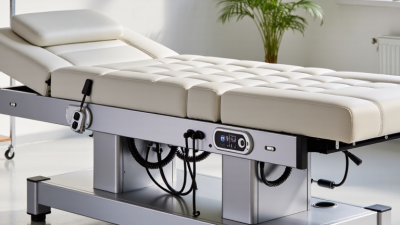
Adjustability protects both people. NIOSH identifies awkward postures, force, and repetition as major ergonomic risk factors. Electric height adjustment lets therapists keep their shoulders relaxed during detailed work. Back and leg sections should move smoothly, with controls reachable from a standing position. A quiet motor matters. So does a padded face cradle. Small details become noticeable during a 60-minute treatment. However, more adjustment does not automatically mean better design. Complex controls can confuse new staff, especially during busy appointments.
Client experience also depends on warmth, stability, and privacy. The 2024 ISPA U.S. Spa Industry Study reported approximately 192 million spa visits in 2023, showing how often equipment influences real service encounters. Thick cushioning, even pressure distribution, and low vibration can reduce discomfort. Easy-to-read controls improve confidence. A washable paper-roll holder may seem basic, but it supports faster turnover. One limitation remains: industry reports measure revenue and visits better than client comfort. Buyers should test the bed with different body sizes before purchasing.
This chart summarizes practical target specifications commonly used when evaluating professional Spa Beds. Electric height adjustment supports safer therapist posture, stable load capacity improves operational safety, and adjustable backrests with adequate cushioning enhance client comfort.
How Do International Buyers Evaluate Size, Standards, and Certifications?
What Are the Top Spa Beds for Global Buyers?
How Do International Buyers Evaluate Size, Standards, and Certifications?
Global buyers rarely judge a Spa Bed by appearance alone. They measure room fit, user comfort, service access, and shipping efficiency. A practical bed often measures about190–200 cm long and 75–85 cm wide. However, local treatment rooms can be much smaller. Door width, lift capacity, and packed-crate dimensions may matter more than the bed itself. The Global Wellness Institute reported that the global wellness economy reached $5.6 trillion in 2022. This growth increases demand, but buyers still expect durable equipment and documented performance.
Standards require careful checking. An electrically adjustable bed may need testing against relevant electrical safety rules in its destination market. IEC 60601-1can apply when the product falls within medical electrical equipment scope. It is not automatically required for every Spa Bed. Buyers should request a compliance assessment, risk file, test reports, and material declarations.ISO 9001 supports quality management, while ISO 13485 may matter when the product is supplied as a medical device. Certifications alone do not prove comfort or long-term reliability. That is an easy mistake.
Tips: Confirm working height, safe load, motor duty cycle, upholstery cleaning resistance, and warranty terms. Ask for installation videos and sample documents. Leave space for movement. Real rooms are rarely perfect.
What Should Buyers Consider When Comparing Prices and Suppliers?
Global buyers should compare a Spa Bed by total value, not the catalog price. The Global Wellness Institute reported that the global spa economy reached approximately $93.9 billion in 2022. Demand is real, but budgets remain uneven. A Massage Bed Spa with electric adjustment, washable upholstery, and stable cushioning may cost more initially. It can reduce replacement and maintenance expenses.
ISPA’s 2024 U.S. Spa Industry Study reported $21.3 billion in spa revenue during 2023. That growth increases supplier competition, but quality varies widely. Ask for itemized quotations covering packaging, freight, customs, installation, and spare parts. Confirm the warranty period and response time in writing. Request load-test results, electrical documentation, and product photographs from current production. A low quote can hide weak motors or expensive shipping. I would not assume the most expensive bed is safer. That needs evidence.
Tips: Compare at least three suppliers using the same specification sheet. Check frame materials, foam density, height range, noise levels, and cleaning resistance. Calculate landed cost, not factory cost. Ask for a video inspection before payment. Small details matter. A supplier that answers technical questions clearly often supports better after-sales service. Still, communication is not proof. Buyers should verify certificates, sample quality, and replacement-part availability before placing a large international order.
Ergonomic Facial Bed-3: Factory-Designed Comfort for Professional Beauty Treatments
Professional beauty treatments are becoming more focused on comfort, efficiency, and long-term client satisfaction. The Global Wellness Institute reported that the global wellness economy reached approximately $6.3 trillion in 2023, highlighting the growing demand for high-quality experiences in spas and wellness facilities. In this environment, an ergonomic facial bed can help businesses create a more professional and relaxing treatment setting.
The Facial Bed-3 is factory-designed to support both clients and practitioners throughout facials, massages, and skincare therapies. Its contoured bed surface follows the natural shape of the body, helping promote balanced posture and full-body relaxation during extended appointments. Thick, high-density foam provides a soft yet stable foundation, while durable upholstery offers a smooth, hygienic surface that is easy to clean between treatments. The design also helps practitioners work more comfortably, supporting efficient service delivery in busy salons, spas, and medical beauty centers.
Industry performance further demonstrates the value of investing in dependable treatment equipment. According to the International SPA Association’s 2024 industry study, the U.S. spa sector generated about $21.1 billion in revenue in 2023, serving millions of visits across professional facilities. As competition grows, a well-designed treatment bed can contribute to a more consistent client experience and a more efficient workspace. Combining refined aesthetics, ergonomic support, and practical maintenance, the Facial Bed-3 is a suitable choice for establishments seeking to upgrade their treatment rooms.
FAQS
A contoured cushion should support the neck, shoulders, and lower back. The surface should feel soft, not collapse under body weight. Test it for sixty minutes. Short demonstrations can mislead.
Check whether the frame stays stable when clients sit, turn, or stand. Water-resistant upholstery should protect seams from moisture. Smooth edges support easier cleaning and reduce pressure points. A strong frame may increase shipping costs. That trade-off matters.
Water should move quickly without splashing or forming standing pools. Inspect drains, seams, and collection areas after repeated use. Showroom performance is not enough. Test it repeatedly.
Electric height control helps therapists maintain relaxed shoulders during detailed work. Adjustable back and leg sections support different treatments. Controls should be reachable while standing. Quiet motors make busy rooms calmer.
Look for a stable frame, lockable casters, rounded edges, and clear weight limits. Non-porous upholstery supports faster cleaning between clients. Electrical parts need suitable regional certification and safety documentation. More features can create confusing controls.
Thick cushioning, balanced pressure, and low vibration can reduce discomfort. A padded face cradle supports the head during extended sessions. Warm, stable surfaces help clients feel more relaxed. Test different body sizes before purchasing.
Compare total landed cost, including packaging, freight, customs, installation, and spare parts. A lower price may hide weak motors or costly delivery. A higher price is not automatically safer. Evidence matters.
Request itemized quotations, warranty terms, response times, and replacement-part details. Ask for load-test results and electrical documents. Inspect current-production photos or request a video inspection. Clear communication helps, but it is not proof. Verify the sample.
Conclusion
Choosing the right Spa Bed is essential for creating a safe, comfortable, and efficient treatment environment. A high-quality model should combine stable construction, supportive cushioning, durable and easy-to-clean materials, and smooth adjustment functions. Different settings may require different designs, such as fixed beds for dedicated treatment rooms, portable options for flexible services, or electric models for clinics offering multiple procedures. Buyers should also consider weight capacity, height range, ergonomic support, client comfort, and features that improve therapist access and overall usability.
For international purchasing, size, packaging, shipping requirements, electrical compatibility, and applicable safety standards are important factors. Clear documentation and relevant certifications can help buyers assess product reliability and suitability for their market. Price should be compared alongside material quality, expected service life, warranty coverage, replacement parts, customization options, and supplier communication. The best choice is not always the lowest-priced Spa Bed, but the one that offers dependable performance, practical features, consistent quality, and strong long-term value.