Leave Your Message
China has become a practical sourcing base for Beauty Furniture, from salon styling chairs to spa beds and Manicure Tables. The opportunity is real. It also needs careful checking.
McKinsey’s 2023 beauty industry report estimated that global beauty sales could reach about $580 billion by 2027. It also identified China as a major growth market. Circana reported that United States prestige beauty sales increased 14% in 2023. These figures describe beauty products and services, not furniture directly. However, they indicate stronger demand for attractive, functional treatment spaces.
For global buyers, Chinese suppliers can offer broad customization, competitive production capacity, and coordinated product ranges. A typical factory visit may reveal steel frames, hydraulic pumps, washable upholstery, and sample rooms under one roof. Companies such as Ningbo Beauty Star, Foshan Beauty Salon Equipment, and Shanghai J&A Beauty Equipment represent the type of supplier profiles buyers may encounter. Yet supplier names alone prove little. Buyers should verify factory ownership, material specifications, load testing, packaging quality, and after-sales support.
Beauty Furniture must also satisfy local safety and installation requirements. Professional buyers should request technical drawings, product photographs, inspection records, and independent testing where appropriate. ISO 9001 certification can support process confidence, but it does not guarantee every product’s performance. That distinction matters.
Some online supplier claims remain difficult to verify. That is an uncomfortable weakness in this market. A reliable sourcing process therefore compares samples, production audits, warranty terms, and export experience before a large order. The best supplier is not always the cheapest. It is the one that delivers consistent comfort, stable quality, and useful communication across the entire project.
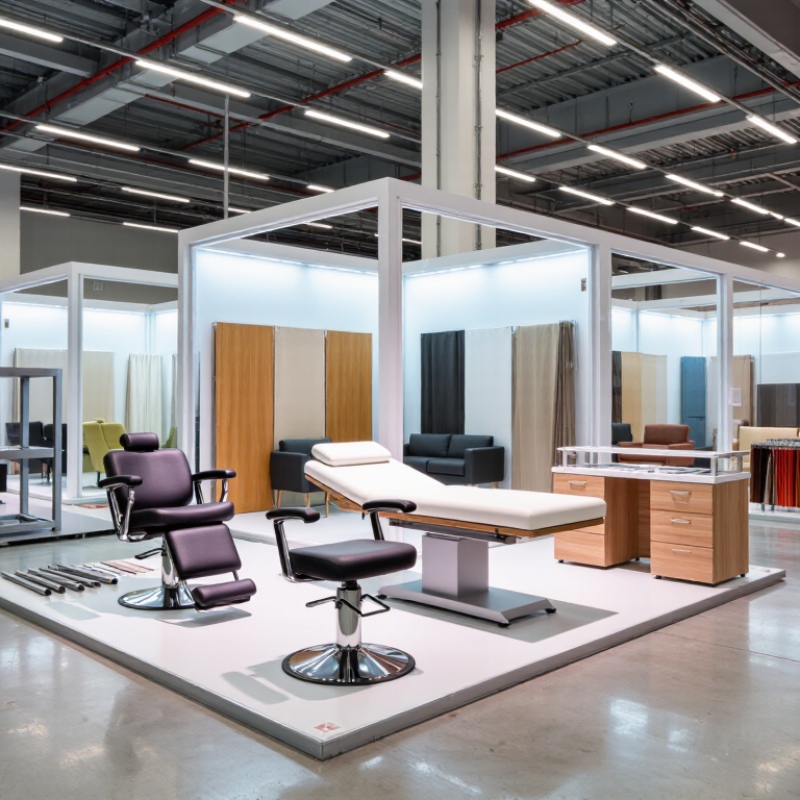
China’s Beauty Furniture manufacturing landscape is broad, cost-sensitive, and increasingly technical. China National Furniture Association data placed industry revenue above RMB 650 billion in 2023. This scale supports specialized factories for salon chairs, treatment beds, manicure tables, trolleys, andSpa Furniture.
Manufacturers usually cluster around mature furniture and hardware regions. They combine metal frames, molded foam, upholstery, pumps, and electrical parts through coordinated supply chains. The China Furniture & Decoration Chamber of Commerce has reported stronger demand for functional, ergonomic, and customized commercial furniture. Buyers should examine factory experience, material traceability, load testing, and production consistency. A polished showroom can still hide uneven welding or weak stitching. That is easy to miss.
Tips: Request a sample, factory video, material sheet, and inspection record before placing a large order. Check dimensions in millimeters, not casual product names. Confirm voltage, plug type, packaging strength, spare parts, and after-sales procedures in writing.
The global beauty and personal care market continues to influence furniture design. McKinsey’s beauty market analysis projected global beauty sales could reach about 590 billion dollars by 2028. This growth encourages manufacturers to develop compact equipment for urban studios and premium treatment spaces. Yet customization may increase lead times, replacement difficulty, and quality variation. Buyers should compare two or three production samples, not only quotations. Sustainability also deserves practical review: ask about recycled content, formaldehyde testing, packaging reduction, and product repairability. Some specifications remain unclear. Careful verification is still necessary.
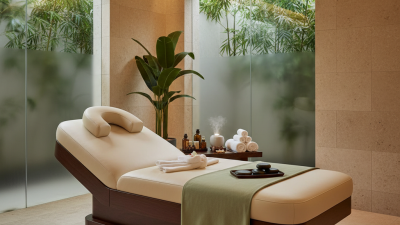
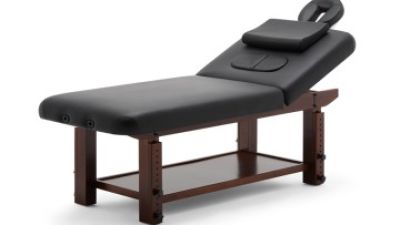
The Adjustable Height Beauty Bed 6288-310 is designed for professional treatment environments that require comfort, stability, and flexible positioning. Suitable for spas, salons, wellness centers, and medical beauty clinics, it supports facial treatments, massages, body therapies, and other routine procedures. Its reinforced frame provides dependable structural support, helping create a secure experience for clients throughout each appointment.
The adjustable backrest makes it easy to switch between reclining and lying positions, allowing therapists to accommodate different services with greater efficiency. Height-adjustable legs, secured by durable locking knobs, help practitioners maintain a comfortable working posture while improving access and treatment precision. This ergonomic flexibility can be especially valuable during longer sessions or procedures requiring detailed handwork.
When selecting an adjustable beauty bed, professionals should consider frame strength, adjustment range, locking stability, surface comfort, and the available space in the treatment room. The 6288-310 is manufactured with practical daily use in mind, offering a balanced structure and adaptable design for busy service settings. Buyers should also confirm assembly requirements, maintenance procedures, load capacity, and after-sales support before placing an order.
Request product price, packaging, loading method, payment terms, and estimated delivery time. A low headline price can mislead.
Standard colors, common dimensions, and existing molds usually cost less. Custom logos, colors, hydraulic systems, or storage need extra engineering. Ask whether sample fees are refundable.
Small trial orders may suit standard furniture. Fully customized projects can require dozens or hundreds of units. Confirm this before designing heavily.
Request material specifications, load-bearing details, assembly instructions, and real production photos. A physical sample reveals more than a video call.
Test carton strength, fittings, surface finish, and replacement procedures. I underestimated packaging once. A damaged corner changed my checklist.
Confirm carton dimensions, gross weight, loading plans, and delivery terms. Export documents should match the packing list and invoice.
Measure doors, lifts, outlets, water connections, and floor levels. Large units may need a trained technician. Record installation photos before departure.
Ask about response times, fault diagnosis, transport costs, and spare-parts packing. Keep hoses, switches, wheels, screws, and control panels available.
A shipment may have a scratched panel or missing fastener. Detailed records help. Vague promises do not. Practical follow-up matters.
China has become a major manufacturing base for Beauty Furniture, offering global buyers a wide range of products such as salon styling stations, shampoo units, beauty beds, manicure tables, reception desks, and storage solutions. Understanding the manufacturing landscape helps buyers evaluate different production capabilities, material choices, design trends, and customization services. A reliable supplier should provide clear product information, consistent communication, quality control procedures, relevant certifications, and evidence of suitable factory capacity.
When comparing Chinese suppliers, buyers should consider pricing, minimum order quantities, lead times, packaging, and the ability to develop customized designs. Materials, structural durability, upholstery, hardware, and finishing quality should be checked through samples or inspections before placing larger orders. Effective cooperation also requires careful planning for shipping, delivery terms, installation instructions, spare parts, warranty coverage, and after-sales support. By assessing these factors systematically, global buyers can select dependable suppliers and build long-term partnerships that balance quality, cost, flexibility, and service.