Leave Your Message
When it comes to choosing a Beauty Sofa, folks aren’t just looking at it as a simple seat anymore. Buyers are really thinking about how comfortable it is, how easy it is to keep clean, adjustable features, reliable delivery, and long-term support. Little details actually matter — stuff like a sturdy base, seamless upholstery, and controls that are easy to reach during a treatment make a big difference.
The market for Beauty Equipment is pretty huge, but don’t get caught up thinking that just because something’s popular, it’s going to sell well. According to McKinsey’s 2024 State of Beauty report, the worldwide beauty business hit around $450 billion in 2023, and it’s expected to grow to about $580 billion by 2027. Plus, the Global Wellness Institute’s 2024 report values the wellness economy at a whopping $6.3 trillion. No wonder salons and spas are pouring money into improving customer experiences — still, it’s super important to double-check product claims and the capacity of your suppliers.
And here’s the thing: a shiny catalog doesn’t always mean the manufacturer's consistent quality. If you’re comparing top Beauty Sofa brands globally, focus on the real deal — things like how the frames are built, upholstery specs, load testing results, customization options, how long it takes to get your order, and how responsive the after-sales support is. Whenever possible, ask for samples or clear product info. And don’t just go for the cheapest quote—sometimes a lower price hides extra costs. Keep in mind, supplier ratings aren’t perfect; product quality can vary from batch to batch, and market reports aren’t a substitute for actual factory visits or testing products yourself.
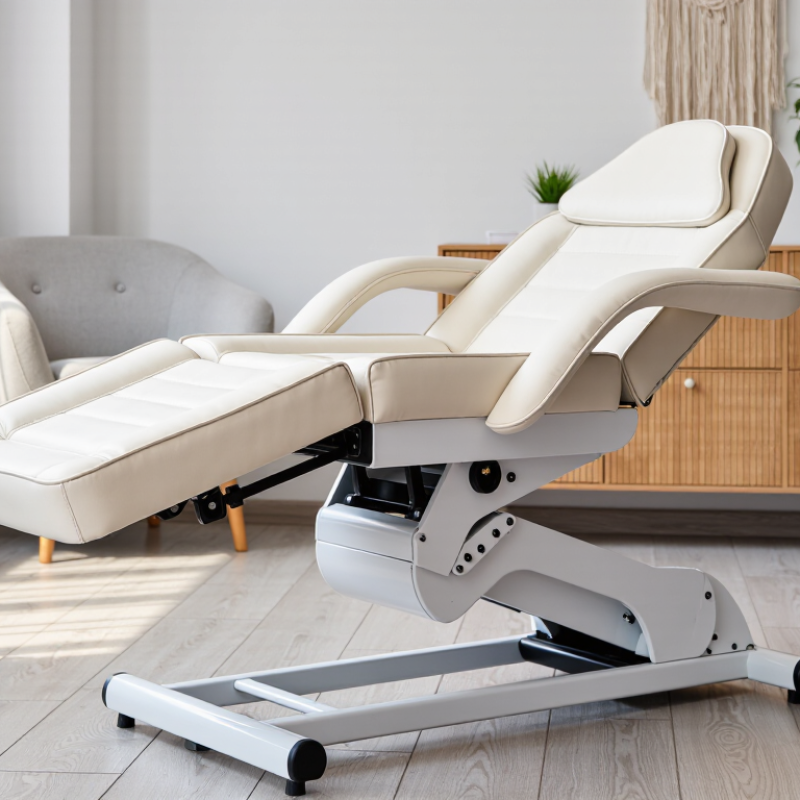
A high-quality Beauty Sofa manufacturer understands that comfort is only the beginning. Grand View Research values the global beauty salon services market at over USD 230 billion in 2023, showing the scale of professional use. That scale demands furniture built for repeated daily contact, not occasional home use. Reliable manufacturers specify high-density foam, reinforced frames, stain-resistant upholstery, and corrosion-resistant hardware. They also provide measurable load ratings, warranty terms, and replacement-part support.
Details reveal manufacturing competence. Ask for foam density, seam strength, fabric abrasion results, and cleaning resistance. BIFMA performance principles offer useful reference points for stability, durability, and structural safety, even when a sofa is designed for beauty treatment rooms. A practical supplier should explain testing methods, production tolerances, and quality-control records without hiding behind attractive photographs. Certification helps, but traceable evidence matters more.
Ergonomics deserves equal attention.A 2024 workplace report from the International Ergonomics Association links poorly designed seating with discomfort and reduced work efficiency. Beauty Sofas should support relaxed posture while allowing technicians clear access to clients. Check seat height, armrest width, back angle, and cushion recovery after pressure. No factory is flawless. I would still question suppliers that cannot discuss defects openly, because honest limitations often reveal stronger quality management. A dependable manufacturer listens to installation feedback, adjusts prototypes, and documents every change.That discipline is more valuable than polished claims.
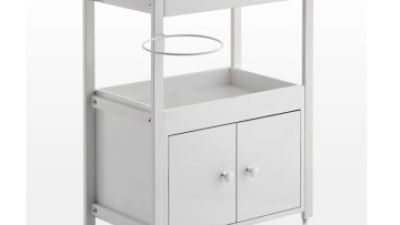
Choosing a heavy-duty Salon Trolley starts with evaluating its material, structure, and daily practicality. Stainless steel is an excellent choice because it offers strong resistance to moisture, stains, and frequent cleaning, making it suitable for busy beauty salons. A stable frame, smooth-rolling casters, and spacious storage areas can help professionals keep tools, products, and accessories organized while moving efficiently between workstations. A modern design also allows the trolley to fit naturally into salons, hotels, home offices, bedrooms, or living rooms.
When comparing options, consider the trolley’s specific use, weight capacity, shelf layout, and ease of maintenance. Commercial furniture should be durable enough for regular use while remaining convenient to handle. Buyers should also check whether the supplier provides customization services, such as a customized logo, packaging, or graphic design, generally with a minimum order of 10 pieces. Depending on project requirements, suppliers may offer minor adjustments, drawing-based customization, sample-based development, or full customization.
For larger salon projects, sample-based or full customization can help match the trolley’s dimensions, color details, storage configuration, and visual style with the working environment. Before placing an order, request clear specifications, available samples, production timelines, packaging details, and quality inspection procedures. A careful comparison of these features can support a practical purchasing decision for both individual professionals and commercial salon operators.
A reliable manufacturer builds for repeated daily use. It should offer dense foam, reinforced frames, durable upholstery, and corrosion-resistant hardware. Ask for load ratings, warranty terms, and replacement-part support. Photos are not enough.
Request foam density, fiber composition, seam strength, abrasion results, and cleaning resistance. Upholstery should tolerate water, disinfectants, oils, and frequent wiping. Recycled content does not guarantee long service life. Evidence matters more.
Sit for at least ten minutes. Check thigh pressure, lower-back support, seat height, armrest width, and heel position. Dense foam often recovers better, but excessive firmness may create pressure points. Comfort remains partly personal.
Check exposed hinges, pinch points, electrical insulation, and stated load limits. Reclining parts should move quietly and stop smoothly. Ask for independent safety testing or equivalent documentation. Look underneath, too.
Request a sample panel before placing a large order. Clean it with your actual disinfectant for thirty days. Photograph fading, swelling, cracking, and seam movement. Small damage can reveal larger problems.
Compare material specifications, foam density, motor performance, packaging, and production records. Request factory videos and recent export references. Check carton dimensions and loading quantities. Freight can change the final price sharply.
A sample reveals noise, stitching quality, balance, lifting points, and cable protection. Hidden hardware may feel weak despite attractive upholstery. Compare the sample with the approved specification. Do not rely on appearance alone.
Confirm unit price, minimum order quantity, tooling fees, spare parts, delivery terms, and production time. Include warranty coverage and service response times. Record every revision in one signed file. Verbal promises can disappear.
Certifications can help, but traceable testing evidence matters more. Ask how tests were performed and how defects are recorded. A polished claim may hide uncertainty. No factory is flawless. Honest limitations deserve attention.
Choosing the right Beauty Sofa manufacturer is essential for professional salons, spas, clinics, and treatment centers seeking comfort, reliability, and long-term value. A high-quality supplier should offer strong craftsmanship, ergonomic design, stable structures, skin-friendly upholstery, easy-to-clean surfaces, and durable components suited to frequent use. Buyers should compare different types of beauty sofas, including electric, hydraulic, reclining, multifunctional, and compact models, according to treatment requirements, available space, and customer comfort. Safety features, weight capacity, adjustability, cushioning, and maintenance needs should also be carefully evaluated.
For international buyers, supplier selection should include reviews of production capability, quality-control procedures, certifications, export experience, packaging standards, and after-sales support. Custom colors, materials, dimensions, logos, and private-label services can help businesses create a consistent professional image. Before placing an order, buyers should request product specifications, samples, quotations, lead times, warranty details, and clear payment and shipping terms. A structured comparison helps ensure that the selected Beauty Sofa supplier can provide dependable products, consistent quality, and practical support for long-term international cooperation.