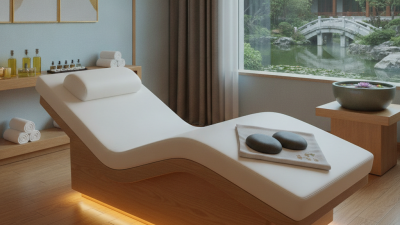
Picking out the right Cosmetic Bed isn't just about looks — it's a pretty important decision for clinics, salons, and med spas around the globe. Honestly, it influences everything from how comfortable treatments are, to how easy cleaning gets, staff posture, and even your daily profits. Did you know the Global Wellness Institute’s 2023 Global Wellness Economy Monitor pegged the wellness industry at a whopping $5.6 trillion in 2022? And that about $1.09 trillion of that is just personal care and beauty stuff. Crazy, right? While those numbers show there’s definitely demand out there, not every bed is automatically a smart investment — you’ve gotta look a little closer.
Details really do matter here. For example, a hydraulic bed might be perfect for quick facial treatments or smaller rooms. If you need a bed for massages, waxing, or more advanced skincare work, an electric three-motor model could be your best buddy. For mobile professionals or those on the go, portable beds are a real lifesaver. And in colder places, heated beds might be just what you need to keep your clients comfy. According to ISPA’s 2024 U.S. Spa Industry Study, spa revenue hit around $21.1 billion in 2023, with nearly 184 million visits. That just goes to show how important reliable equipment and quick room turnover are for keeping things running smoothly.
This guide takes a closer look at ten different types of Cosmetic Beds and breaks down what you should think about—things like weight capacity, quality of upholstery, how much you can adjust, motor performance, sanitation standards, warranty support, and access to spare parts. Before pulling the trigger on a purchase, make sure to double-check voltage compatibility and the availability of after-sales service, especially if you’re importing. Market research from Grand View Research shows the medical spa industry is still growing worldwide, but keep in mind, forecasts can vary depending on how you define things and where you’re at. So, it’s worth being cautious. Something that looks super impressive visually might not hold up well under heavy use, so finding a balance is key — think ergonomics, durability, compliance, and whether it really fits your treatment needs. Not every feature justifies its price tag either. Relying on experiences from other operators, manufacturer info, and independent product reviews can really help you make a smart choice in the end.
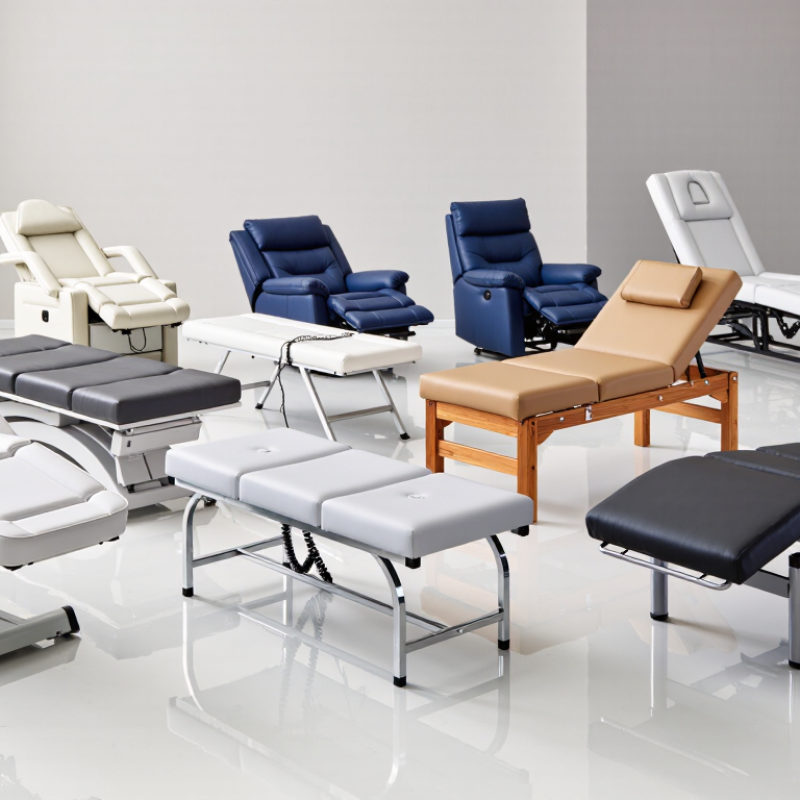
Global buyers should classify cosmetic beds by treatment purpose, not appearance alone. A facial bed supports cleansing, peels, and routine skin care. A Massage Bed provides a wider surface and stronger cushioning. A tattoo bed needs stable positioning and easy cleaning. An electric treatment bed adjusts height, backrest, and leg sections for daily clinical work. A hydraulic bed offers practical height control without requiring a power connection.
A spa bed usually emphasizes comfort, soft padding, and a calm appearance. A lash bed has a flatter surface and supports long appointments. A multifunctional bed combines several adjustable sections for facial, body, and waxing services. A folding bed suits mobile professionals and smaller rooms. A pediatric Cosmetic Bed requires safer edges, secure positioning, and an approachable design. Details matter. A beautiful bed may still be difficult to disinfect or move.
Tips: Check the working height with real staff before ordering. Inspect the upholstery, hinge gaps, weight capacity, and cleaning instructions. Ask for clear product drawings and test adjustment noise. A Cosmetic Trolley can improve workflow by keeping lamps, towels, and tools within reach. Buyers should also review electrical requirements, documentation, and local safety expectations. No single design fits every market. Our experience suggests that clinics often underestimate storage and technician posture. That mistake becomes visible after several busy weeks.
Top 10 Cosmetic Bed Types for Global Buyers
Electric facial beds with three to five motors give practitioners precise control during facials, peels, lash services, and skin consultations. Height adjustment protects the practitioner’s back, while independent backrest and leg movements improve client comfort. Five-motor models may also add seat tilt or synchronized positioning. Small changes matter when a client’s face must remain directly under a lamp.
Grand View Research’s 2024 medical beds analysis projects roughly 7% annual growth for the global hospital beds market through 2030. This is not a cosmetic-bed forecast, but it signals wider demand for adjustable treatment furniture. Buyers should not treat growth as proof of quality. In practice, motor noise, hand-control logic, and frame stability often matter more than the motor count. A 3-motor bed can outperform a poorly designed 5-motor model. That is an uncomfortable point.
Tips: Check the working height, safe load, lift speed, and emergency-lowering function. Ask for cycle testing data, not only promotional claims. The upholstery should resist disinfectants and keep seams shallow, where residue cannot collect. Review electrical documentation for the destination market, including applicable IEC 60601-1 requirements when the equipment is classified as medical electrical equipment. Also inspect pinch points around hinges. Clients notice movement quickly. Practitioners notice fatigue later. I would test every position personally before ordering, because product photos hide awkward angles and weak foot controls.
3–5 motor configurations provide progressively more independent adjustment positions for facial treatments, skincare procedures, and client comfort.
Three-motor beds commonly control height, backrest, and legrest positions. Four- and five-motor models typically add independent tilt and additional positioning functions, supporting more precise treatment setup.
Hydraulic Beauty Beds deserve a prominent place among the top 10 cosmetic bed types for global buyers. The Global Wellness Institute valued the global spa industry at approximately US$93.9 billion in 2022. That growth increases demand for durable equipment and safer salon workflows. Load capacity is an operating requirement, not a decorative specification.
A 150–250 kg rating should include the client, technician pressure, linens, and accessories. Confirm whether the figure refers to static or dynamic loading. A 250 kg structural rating may not equal a 250 kg safe working load. That difference matters. Test the bed at maximum height for wobble, noise, and uneven hydraulic movement. The EU-OSHA identifies awkward postures and repetitive tasks as major contributors to work-related musculoskeletal disorders. Smooth height adjustment can reduce unnecessary bending during facials, waxing, and body treatments.
For heavier clients, choose a Spa Bed with a low entry height, wide support surface, and reinforced frame. Waterproof upholstery should resist oil, cleanser, and frequent disinfection. Request load-test records, maintenance intervals, and cylinder replacement guidance. Inspect the base monthly. Small leaks become expensive problems. I would not select capacity from a product page alone. Salon floors, operating habits, and technician reach also affect real performance. Some buyers may overvalue the highest rating and overlook stability, access, or serviceability.
| Rank | Cosmetic Bed Type | Typical Hydraulic Configuration | Working Load Rating | Adjustable Sections | Typical Size | Best Salon Applications | Key Advantages | Buyer Considerations |
|---|---|---|---|---|---|---|---|---|
| 1 | Hydraulic Facial Bed | Foot-pedal hydraulic height adjustment with manual backrest and leg support | 150–200 kg | Backrest and leg section | 185 × 70 cm | Facials, cleansing, masks, basic skin treatments | Compact footprint, smooth height changes, practical for daily treatment rooms | Confirm minimum and maximum working height for therapist ergonomics |
| 2 | Three-Section Beauty Bed | Hydraulic base with independently adjustable back, central, and leg sections | 180–220 kg | Backrest, seat, and leg section | 190 × 75 cm | Facials, waxing, body treatments, and consultation services | Flexible positioning and good client comfort across multiple treatments | Check section gaps, locking mechanisms, and clearance around the base |
| 3 | Hydraulic Spa Treatment Bed | Heavy-duty hydraulic lift with manual multi-angle positioning | 200–250 kg | Backrest, seat, leg rest, and face cushion | 195 × 78 cm | Body wraps, scrubs, spa rituals, and extended treatments | Higher capacity, stable platform, and improved comfort for longer sessions | Allow sufficient room for therapist movement and towel storage |
| 4 | Hydraulic Massage Beauty Bed | Hydraulic height lift with reinforced frame and adjustable backrest | 200–250 kg | Backrest and lower-leg section | 195 × 80 cm | Relaxation massage, aromatherapy, and non-medical body care | Wide surface, strong support, and easy access for practitioners | Verify cushion density and frame stability during face-down treatments |
| 5 | Pedicure Spa Chair with Hydraulic Lift | Hydraulic seat-height mechanism with reclining backrest and integrated foot support | 150–200 kg | Backrest, seat, and foot support | 120 × 75 cm | Pedicures, foot care, and lower-leg treatments | Improves client access and supports efficient workstation setup | A separate basin or plumbing system may be required |
| 6 | Hydraulic Lash and Brow Bed | Low-noise hydraulic height adjustment with reclining back section | 150–180 kg | Backrest and headrest | 185 × 70 cm | Eyelash extensions, brow shaping, tinting, and facial detailing | Stable reclining position and comfortable working height for precision services | Prioritize a firm, low-vibration backrest and washable upholstery |
| 7 | Hydraulic Tattoo and PMU Bed | Reinforced hydraulic base with adjustable backrest and removable face cushion | 180–220 kg | Backrest, leg section, and headrest | 195 × 75 cm | Permanent makeup, cosmetic tattooing, and detailed skin procedures | Stable positioning and wipe-clean surfaces support controlled procedures | Select non-porous upholstery and follow local hygiene requirements |
| 8 | Hydraulic Waxing Bed | Manual hydraulic height adjustment with flat-to-reclining backrest | 150–200 kg | Backrest and leg support | 190 × 70 cm | Facial, arm, leg, and back waxing services | Easy cleaning, practical access, and efficient treatment turnover | Use heat-resistant, chemical-resistant upholstery where wax products are handled |
| 9 | Hydraulic Makeup and Consultation Chair | Hydraulic seat lift with reclining backrest and adjustable head support | 150–180 kg | Backrest and headrest | 180 × 68 cm | Makeup application, skin consultations, and quick beauty services | Professional seating height and a smaller footprint for multipurpose rooms | Check head support range and compatibility with lighting equipment |
| 10 | Multi-Purpose Hydraulic Beauty Bed | Heavy-duty hydraulic lift with three-section manual adjustment | 200–250 kg | Backrest, seat, leg section, and face cushion | 195 × 78 cm | Facials, waxing, massage, body treatments, and training rooms | Versatile configuration for salons offering several service categories | Compare warranty coverage, spare parts availability, and delivery packaging |
For global buyers, a Beauty Bed is more than a padded platform. Its width affects posture, client comfort, and treatment control. Massage and spa beds between 60 and 80 cm suit many ergonomic body treatments. A 60 cm bed keeps the therapist close during back or leg work. Wider 70–80 cm surfaces give larger clients more room to relax. However, extra width can force awkward reaching in small rooms. I have found that room layout matters as much as bed size. Measure the therapist’s working path, not only the floor space.
An adjustable height system helps practitioners keep their shoulders relaxed. For massage, a lower setting can improve pressure control. For facials, a higher position reduces bending around the client’s face. Stable legs, quiet motors, and firm foam support consistent daily use. Check the working load, including the client and accessories. Water-resistant upholstery is practical near oils, cleansers, and warm towels. Rounded corners improve movement, but they may reduce usable sleeping width. That trade-off is easy to miss. A split backrest may help, yet it can limit certain bodywork positions.
Tattoo and PMU beds need more than a polished appearance. They must support steady hands, clear visibility, and client comfort during detailed procedures. A multi-section design helps practitioners position the head, back, hips, and legs with greater control. The 180° backrest adjustment is especially useful when switching between facial work and larger tattoo areas. It can create a nearly flat surface or a raised position for consultation and aftercare.
Good support starts with practical details. A firm, well-padded head section reduces movement during delicate work. Smooth upholstery allows quick cleaning between clients, while sealed seams help limit moisture and residue buildup. Adjustable height also protects the practitioner’s posture when working for several hours. Buyers should check the working height range, weight capacity, frame stability, and hand-control response before ordering. These details matter more than decorative stitching.
However, 180° movement is not automatically better. A backrest that lowers fully may be uncomfortable without suitable lumbar support. Some beds also feel stable in a showroom but shift slightly under uneven pressure. I would test every section at several angles before purchase. A small gap near the hinges can become annoying during long appointments. For global buyers, verify electrical standards, cleaning compatibility, replacement-part access, and local service options. Product photographs rarely reveal these limitations.
Global buyers often compare electric, hydraulic, facial, massage, spa, tattoo, and multifunction cosmetic beds. Each design serves different procedures and room conditions. Electric treatment beds offer precise positioning, while hydraulic models reduce electrical complexity. However, comfort alone does not prove safety. Not every bed qualifies.
IEC 60601-1 addresses basic safety and essential performance for applicable medical electrical equipment. Buyers should verify whether the complete bed, its motor system, or connected accessories fall within the standard’s scope. Important checks include protective earthing, insulation, leakage current, temperature control, and mechanical stability. A stable frame should remain secure when the backrest rises and a patient shifts weight. Cables must resist crushing beneath moving sections.
Practical inspection reveals details that brochures often miss. Test height controls with dry and gloved hands. Check whether cleaning liquid can reach switches or connectors. Confirm that moving parts stop smoothly, without sudden drops. If an emergency stop function is provided, staff should understand its location and operation. Documentation should include test reports, user instructions, maintenance intervals, and electrical ratings suited to the destination market.
A certificate alone is not enough. Its scope, test model, and issuing laboratory require careful review. Local regulations may add requirements beyond IEC 60601-1. Buyers should also assess operator training and replacement-part access. Small gaps remain possible, especially when a bed is combined with external lamps or treatment devices. That deserves a second review.
Global buyers comparing the top ten cosmetic bed types need more than attractive photographs. A useful matrix places size, working load, upholstery, warranty, and certifications side by side. For a Massage Bed, record the open length, width, folded footprint, and height range. A 70-centimeter width may suit narrow rooms, but larger clients need safer shoulder clearance. Measure the doorway, too. Small detail.
Load ratings deserve careful reading. Check whether the stated figure includes the user, therapist, and moving pressure. Hydraulic or electric models may need a higher safety margin than fixed beds. Ask for test methods and written documentation, not only sales claims. Upholstery should resist oils, disinfectants, sweat, and repeated wiping. Vinyl can feel practical, yet some surfaces become slippery under warm skin. Request abrasion data and replacement-cover availability.
Warranty terms reveal the supplier’s real support level. Compare coverage for motors, frames, pumps, upholstery, labor, and spare parts. A twelve-month promise may be weaker than a shorter warranty with clear regional service. Certifications should match the destination market and product category. Verify certificate numbers through the issuing body when possible. Requirements differ across countries. I would also log delivery damage, assembly time, and noise during a trial. One weakness remains: matrix scores can hide poor after-sales response. Speak with recent purchasers before placing a large order.
It should cover the client, technician pressure, linens, and accessories. Confirm whether the rating is static or dynamic. These figures are not always equivalent.
Raise it to maximum height and check wobble, noise, and uneven movement. Test it with realistic pressure. A quiet bed is not automatically a stable bed.
Choose a low entry height, wide support surface, and reinforced frame. A stable base matters more than an impressive number. Comfort needs room.
Lower settings can improve massage pressure control. Higher settings reduce bending during facial treatments. Smooth movement may reduce awkward working postures.
Widths from 60 to 80 cm suit many body treatments. A 60 cm bed keeps the therapist close. Wider beds offer more space, but small rooms may create difficult reaching.
Measure the therapist’s working path, not only the bed footprint. Leave clear access on both sides. A beautiful bed can still make movement frustrating.
Water-resistant upholstery should resist oil, cleansers, and frequent disinfection. Rounded corners improve movement around the bed. They may slightly reduce usable sleeping width.
Ask for load-test records, maintenance intervals, and cylinder replacement guidance. Inspect the base monthly for small leaks. I would not choose capacity from a product page alone.
A split backrest can support facial work and positioning. However, it may limit some bodywork positions. The useful feature is not always the best feature.
Choosing the right Cosmetic Bed depends on treatment function, adjustment needs, and daily salon or clinic operations. Electric facial beds with three to five motors provide precise positioning for skincare procedures, while hydraulic beauty beds offer stable height adjustment and typical load ratings of 150–250 kg. Massage and spa beds, commonly 60–80 cm wide, support comfortable and ergonomic body treatments. Tattoo and PMU beds require multi-section structures, reliable client support, and backrests that can adjust up to 180 degrees for detailed work.
For medical aesthetic applications, buyers should review safety principles aligned with IEC 60601-1 and confirm that the equipment suits the intended professional environment. A practical comparison should include overall dimensions, load capacity, upholstery durability, warranty coverage, adjustment functions, and relevant certifications. By comparing these factors together, global buyers can select a Cosmetic Bed that balances comfort, operational efficiency, maintenance needs, and long-term value across different treatment settings.