
Picking out the right Massage Therapy Bed can really impact how comfortable your clients feel, the quality of treatment, and even how smoothly things go day to day in your clinic. When a client first lays down, they notice the basics: does the frame feel solid, does it adjust quietly, is the cushioning supportive enough, and are the upholstery clean? Those little details get noticed right away. But as a therapist, you’re tuning in to even more — feeling how the bed reacts with each shoulder movement, how easy it is to transfer positions, and how comfortable it is during different therapy sessions.
Whitney Lowe, who’s a well-respected educator and author in massage therapy circles, always emphasizes this: “A massage table has to support both the therapist and the client.” His point? Looks alone shouldn’t be the deciding factor when you're choosing one. A good Massage Therapy Bed should fit your specific treatment style, the size of your space, your height, and how busy you usually are. Features like hydraulic lifts can make adjusting the height easier, so you're not bending over all day. Rounded edges can help smooth out movement around the patient. And dense foam really supports the body nicely, though if it’s too firm, it might get uncomfortable during longer sessions.
Honestly, the most expensive model isn’t always the best pick. Sometimes, it’s about how reliable and consistent the bed is over time. Brands like Oakworks and Earthlite have different styles, materials, and warranty options — but don’t just take their word for it. It’s important to check specs like weight capacity, how easy it is to clean, how noisy it is, and how simple it is to replace parts. These little details actually make a world of difference.
And let’s be real — it’s worth taking a moment to think honestly about what you’re buying. A gorgeous, fancy-looking bed might look amazing but can still be a pain after a full day of back-to-back appointments. On the other hand, a budget-friendly option might seem smart at first, but could end up needing to be replaced sooner than you’d like. Before making a decision, it’s a really good idea to test out different beds with actual practitioners, using real linens, and trying out various positions to see how it feels in real life. Comfort’s super personal — what works for one therapist might not work for another. So, yeah, some honest testing and a bit of real-world experience go a long way.
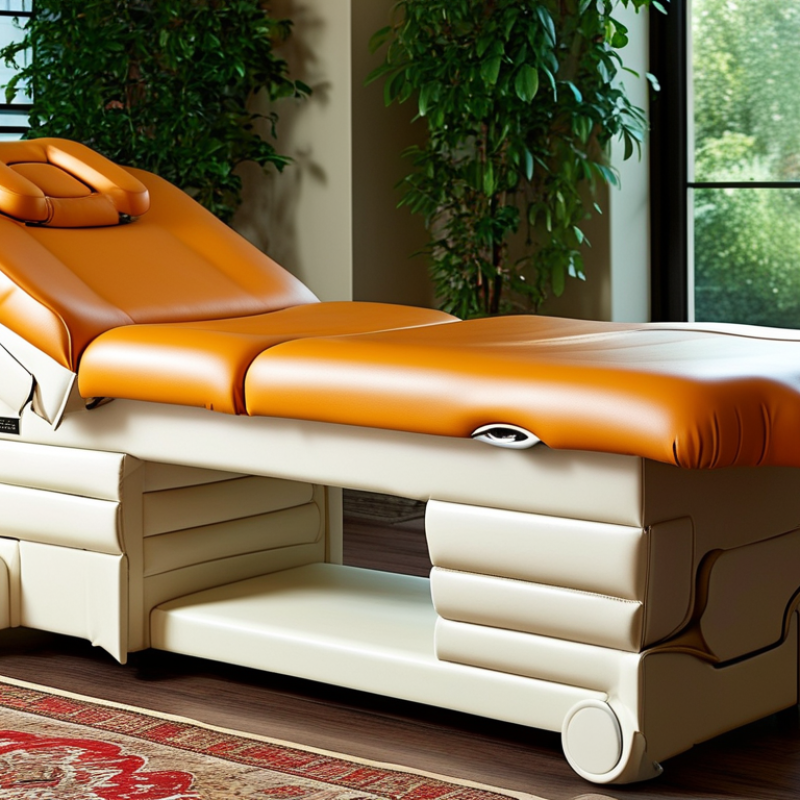
AMassage Therapy Bed is the main support surface used during hands-on treatment. It holds the client securely while allowing the therapist to work with controlled posture and pressure. Its height, width, padding, and face cradle affect comfort, body alignment, and treatment accuracy.It matters every minute.
In a working clinic, a stable bed can reduce unnecessary movement during deep-tissue or rehabilitation-focused sessions. Adjustable height helps therapists protect their shoulders and lower back. Dense, resilient foam supports the body without creating pressure points around the hips or ribs. A wipe-clean surface also supports consistent hygiene between clients. Comfort comes first.
The best choice depends on the clinic’s patients, room size, treatment methods, and daily workload. A heavier frame may feel safer, but it can be difficult to move in a small treatment room. A lightweight model may improve flexibility, yet it may feel less steady under repeated use. A perfect setup is unrealistic. Therapists should test the bed at working height, inspect its hinges, and check whether the padding stays firm after pressure is applied. I still see equipment selected by appearance alone, and that is an easy mistake. Client weight limits, warranty terms, and cleaning instructions deserve equal attention. A well-chosen bed should support safe technique without distracting the therapist or client.
A quality Massage Therapy Bed should support more than patient comfort. It must adapt to different clinical treatment needs, body types, and working positions. Adjustable height helps therapists maintain a neutral posture during deep tissue work, stretching, or gentle rehabilitation. A stable frame also reduces unwanted movement when clients reposition themselves.
The treatment surface matters too. Firm cushioning can support spinal alignment during manual therapy. Softer padding may improve comfort during longer relaxation sessions. A Thermal Therapy Massage Bed can provide controlled warmth for selected clients, especially before muscle-focused treatment. However, heat is not suitable for everyone. Practitioners should review medical history, skin sensitivity, circulation concerns, and client consent before using it.
Small details affect daily reliability. Rounded edges help protect clients and staff in busy rooms. Easy-clean upholstery supports consistent hygiene between appointments. Quiet electric adjustments create fewer interruptions during treatment. Weight capacity should match the clinic’s real patient population, not an optimistic estimate.
That detail is easy to overlook.
An experienced therapist may also value removable face supports and flexible armrests. These features can improve breathing and reduce pressure during prone positioning. No bed solves every clinical problem. I have seen equipment look impressive yet feel awkward after repeated use. Testing the bed with actual treatment movements is wiser than judging it from photographs alone. A practical choice should support safe care, efficient work, and the clinician’s own physical limits.
Different clinical treatments require different levels of positioning, access, comfort, and session time. A height-adjustable, stable, and well-cushioned therapy bed can support efficient care across multiple treatment formats.
The chart compares commonly used appointment durations for clinical treatments. Longer sessions and treatments involving repositioning may benefit from a wider working surface, adjustable height, strong stability, and enhanced patient comfort.
A high-quality Massage Therapy Bed should support both the client and the therapist throughout every session.Stability matters. A reinforced frame should remain firm when the client turns or when the therapist applies focused pressure. Check the working load, locking joints, and leg structure before purchase. Small movements can reduce client confidence and strain the therapist’s wrists.
Comfort depends on more than thick padding. Multi-layer foam should cushion shoulders, hips, and knees without allowing the body to sink too deeply. A supportive face cradle, smooth height adjustment, and rounded edges improve positioning. The upholstery should resist oils, moisture, and frequent cleaning. It should also feel warm rather than plastic-like against bare skin. These details are easy to overlook.
For clinics with changing rooms, a Portable Therapy Bed must balance strength with manageable weight. Carry handles, secure hinges, and a compact folded shape make daily setup less tiring. However, lighter is not always better. I have seen portable tables that felt convenient but flexed under pressure. That design choice deserves reflection. Test the bed in person, adjust it repeatedly, and listen for creaking joints. Reliable equipment should make movement quieter, treatment positioning easier, and cleaning more predictable. A practical warranty and clear maintenance guidance also show that the manufacturer understands professional use.
AMassage Bed does more than hold a client. Its design shapes breathing, muscle release, and the therapist’s working posture. In a busy clinic, small details can become large problems. A narrow surface may make clients brace their shoulders. A weak face cradle can leave red marks after twenty minutes. Stable padding helps the body feel supported without sinking too deeply. That difference is easy to underestimate.
Adjustable height is equally important for therapist performance. The table should let practitioners work with relaxed shoulders and a neutral spine. Reaching across a low bed can strain the lower back. A high bed may reduce control during deep tissue techniques. Smooth adjustments save time between appointments, especially with different body sizes. Rounded edges also protect knees when therapists move around the table. Good design quietly supports better technique.
A Thermal Therapy Bed can add gentle warmth during relaxation-focused sessions, but heat must remain controllable. Therapists should check temperature settings, insulation, and client feedback throughout treatment. People with reduced heat sensitivity need extra caution and clear communication. Comfort is not identical for every client. I once assumed warmer meant calmer, yet some clients preferred a cooler surface after exercise. That experience changed how I assess equipment. The most useful bed is not simply soft or expensive; it responds to bodies, movements, and honest observations.
Choosing the best Massage Therapy Bed for your clinic should begin with safety, stability, and hygiene. Patient comfort matters, but it cannot replace structural reliability. During routine clinic checks, examine the bed’s weight capacity, frame construction, locking system, and adjustment points. The bed should remain steady when patients sit, turn, or rise. Do not guess.
A stable bed should not rock on uneven flooring. Its legs or casters need secure locks, while moving parts should operate without sudden drops. Adjustable sections must hold their position under normal treatment pressure. Therapists also need enough space to work without reaching around unstable equipment. In practice, a small wobble can change a patient’s posture and affect treatment quality.
Hygiene depends on materials and daily habits. Choose nonporous upholstery with sealed seams and minimal crevices. Staff should disinfect the surface after every appointment, following the cleaner manufacturer’s instructions. A waterproof face cradle and replaceable protective covers can reduce contamination risks. Looks clean is not enough. Check cables, bolts, hinges, and upholstery regularly for damage. Keep inspection records, even when nothing appears wrong. Clinics sometimes focus on visible stains and overlook worn stitching or trapped moisture beneath covers. That gap matters. A bed may feel comfortable today, yet require replacement sooner than expected if cleaning agents, heavy use, or poor maintenance weaken its surfaces.
| Evaluation Dimension | Recommended Clinic Benchmark | Why It Matters | How to Verify |
|---|---|---|---|
| Working Load Capacity | Select a bed with a clearly stated working load that exceeds the expected combined weight of the client, therapist, and accessories. A clinic may set a minimum target of approximately 300–500 lb (136–227 kg), depending on patient needs. | A suitable load rating helps reduce the risk of frame deformation, sudden movement, and premature component failure. | Check the manufacturer’s technical specification and confirm whether the rating includes dynamic movement or only a static load. |
| Frame and Leg Stability | Use a rigid frame with reinforced joints, non-slip feet, and minimal lateral or longitudinal rocking during normal treatment. | Stable support improves patient confidence and helps the therapist perform controlled manual techniques. | Inspect welds, bolts, hinges, cables, and locking points. Test the bed at each height and with the backrest in every operating position. |
| Height Adjustment Range | A practical electric or hydraulic range is approximately 18–34 in (46–86 cm), subject to the therapist’s technique and patient-transfer requirements. | Adjustable height can support safer transfers and reduce excessive bending or shoulder strain for practitioners. | Measure the actual minimum and maximum deck height and verify that the adjustment control is reachable without unsafe leaning. |
| Bed Width and Length | A treatment surface around 28–32 in (71–81 cm) wide and 72–75 in (183–191 cm) long accommodates many adult clients while preserving therapist access. | Adequate surface area supports comfort, positioning, and draping without unnecessarily restricting movement around the bed. | Confirm usable mattress dimensions rather than the overall external dimensions of the frame. |
| Working Surface Firmness | Choose cushioning that supports the client without excessive sinking; a multi-layer foam design with a durable, sealed cover is generally preferable for clinical use. | Balanced support improves comfort, body alignment, and therapist control during pressure-based techniques. | Evaluate the mattress with different body positions and check for permanent compression, exposed seams, or uneven support. |
| Locking and Emergency Controls | Height-adjustable models should have dependable controls, an emergency stop or reset function where applicable, and protection against unintended activation. | Reliable controls help prevent unexpected movement during transfers and treatment. | Test the control system, locking mechanism, foot switch, hand control, and power-cable routing before clinical use. |
| Surface Disinfection | The upholstery should be non-porous, fluid-resistant, and compatible with the clinic’s approved disinfectant. Follow the disinfectant label’s required wet contact time. | A compatible, sealed surface can be cleaned between clients and reduces the risk of contamination retained in fabric or open-cell foam. | Request chemical-compatibility information and inspect seams, piping, buttons, face-cradle openings, and damaged coating. |
| Cleaning Workflow | Clean and disinfect high-touch surfaces between clients, including the mattress, face cradle, arm supports, adjustment controls, and exposed frame areas. | A defined workflow supports consistent infection-control practice and reduces cross-contact between appointments. | Maintain a written cleaning checklist that identifies the product, dilution, contact time, staff responsibility, and inspection frequency. |
| Disposable and Washable Barriers | Use clean linens or disposable barriers for each client and replace them after every treatment. Launder reusable textiles using the clinic’s infection-control procedure. | Barriers limit direct contact with the upholstery and support a clear separation between clean and used materials. | Store clean linens in a closed, dry area and place used linens in a designated container immediately after treatment. |
| Hand Hygiene Access | Provide hand-washing access or an appropriate alcohol-based hand rub near the treatment area. Alcohol hand rub is commonly applied for 20–30 seconds; soap-and-water washing generally takes 40–60 seconds. | Accessible hand hygiene reduces the transfer of microorganisms between clients, equipment, and staff. | Check dispenser location, supply levels, sink accessibility, and staff compliance with the clinic’s hand-hygiene policy. |
| Electrical Safety | For Powered Beds, use grounded or suitably protected equipment, intact cables, strain relief, and protection against liquid ingress. Electrical inspection requirements should follow local regulations. | Massage areas may involve oils, lotions, and cleaning liquids, which can create electrical and slip hazards. | Inspect plugs, cords, controls, and cable routing routinely. Remove equipment from service if insulation is damaged or controls behave unpredictably. |
| Patient Transfer and Accessibility | Provide clear approach space, stable steps or transfer aids where needed, and a low entry height appropriate for the clinic’s patient population. Follow applicable accessibility rules. | Safe access is particularly important for older adults, clients with limited mobility, and people recovering from injury. | Assess transfers with staff and representative users; confirm that surrounding furniture does not obstruct access or emergency evacuation. |
| Slip, Trip, and Pinch-Point Prevention | Use non-slip feet, route cables away from walking paths, control oil spills promptly, and guard or clearly identify moving joints and pinch points. | These measures reduce common treatment-room injuries involving falls, trapped fingers, and unintended bed movement. | Complete a room-based risk assessment after installation and repeat it whenever the layout or equipment changes. |
| Inspection and Maintenance | Use a documented inspection schedule. Review fasteners, hinges, upholstery, actuators, wheels, feet, and safety controls at least according to the manufacturer’s instructions and local requirements. | Preventive maintenance helps identify wear before it affects patient safety, hygiene, or treatment quality. | Record inspection dates, defects, corrective actions, replacement parts, and the date equipment was returned to service. |
Note: The benchmarks above are practical clinic-selection guidelines, not a substitute for local building, accessibility, electrical, occupational-safety, or infection-prevention requirements. Always follow the applicable regulations and the bed and disinfectant manufacturers’ instructions.
Why Choose the Best Massage Therapy Bed for Your Clinic?
How to Compare Durability, Maintenance, and Long-Term Value
A massage therapy bed must handle repeated pressure, movement, and daily cleaning. In busy clinics, durability starts with a stable frame and reliable joints. Test the bed at different heights, especially when therapists work around the client. A slight wobble may seem harmless. It often becomes annoying after months of use.
Examine the upholstery closely. Tight stitching, sealed edges, and dense cushioning usually resist tears and fluid absorption. However, thick padding alone does not prove quality. Ask about weight capacity, replacement parts, and the expected service life. A supplier that provides clear technical documents appears more reliable than one offering vague promises. Check whether the surface tolerates approved disinfectants without cracking or fading.
Maintenance affects long-term value more than many clinics expect. Smooth adjustment controls reduce cleaning difficulties, while accessible mechanisms make inspections easier. Keep a simple service record. Note unusual sounds, loose fittings, and slow movement. Ignoring small problems can create larger repair costs. One common mistake is choosing the lowest purchase price. That decision may increase downtime, replacement expenses, and staff frustration. Still, an expensive bed is not automatically better; compare warranty terms, repair response, and daily comfort before deciding.
Choosing the right massage therapy bed starts with your daily treatment routine. Consider the clients you serve, the techniques you perform, and the space available. A stable frame should resist movement when clients turn or therapists apply pressure. Test the bed with realistic body weight, not just an empty showroom model. Small details matter.
Height adjustment can protect therapists’ backs during long treatment days. A padded surface should feel supportive without becoming excessively soft. Check the width, face cradle, arm supports, and upholstery before purchasing. Easy cleaning is essential between appointments. Look for surfaces that tolerate approved disinfectants without cracking or becoming sticky.
I once selected a bed mainly because it looked elegant. That decision was not practical. Its adjustment system slowed my sessions, and the narrow padding made larger clients uncomfortable. A better assessment includes several therapists and different client body types. Roller Bed Therapy may require special attention to clearance, positioning, and weight distribution. Ask whether the bed supports your techniques safely and consistently. Review the warranty, maintenance guidance, and load rating from reliable documentation. A short trial can reveal noise, wobbling, or awkward controls that specifications often miss. The best choice may look less impressive, but perform better every day.
: A strong frame should stay firm when clients turn or therapists apply focused pressure. It should not wobble. Look for secure joints, reliable locks, and well-built legs. Comfort also matters, but thick padding alone is not enough. Multi-layer foam should support shoulders, hips, and knees without excessive sinking.
The working load should match your clients and treatment methods. Test the bed with realistic body weight, not only an empty showroom model. A suitable load rating supports safer positioning and steadier treatment. Do not guess.
Check the face cradle, arm supports, width, padding, and rounded edges. The surface should feel supportive rather than overly soft. A face cradle should hold the head comfortably during longer sessions. Small details affect comfort.
Smooth height adjustment helps therapists maintain better working posture. It can reduce unnecessary strain during long treatment days. The adjustment system should move quietly and hold its position securely. Awkward controls may slow every appointment.
A portable bed should balance manageable weight with structural strength. Carry handles, secure hinges, and a compact folded shape simplify daily setup. However, lighter is not always better. Some lightweight beds flex under pressure. Test one repeatedly before making a decision.
Check whether the bed rocks on uneven flooring. Lock legs or casters firmly before treatment. Test every adjustable section under normal pressure. Listen for creaking joints. A small wobble can change a client’s posture and treatment quality.
Choose nonporous upholstery, sealed seams, and fewer deep crevices. The surface should tolerate approved disinfectants without cracking or becoming sticky. A waterproof face cradle and replaceable covers can reduce contamination risks. Clean the bed after every appointment. Looks clean is not enough.
Inspect bolts, hinges, cables, locks, and upholstery regularly. Look for worn stitching, trapped moisture, or damaged surfaces beneath covers. Keep inspection records, even when nothing appears wrong. Cleaning chemicals and heavy use can weaken materials over time. That risk is easy to miss.
Yes. Different therapists and client body types reveal different problems. Ask them to adjust, position, and clean the bed. A short trial may expose noise, wobbling, narrow padding, or awkward controls. I once chose a bed because it looked elegant. That was not practical.
Review the load rating, warranty, maintenance guidance, and adjustment instructions. Reliable documentation should explain professional use clearly. The warranty should match the clinic’s expected workload. Specifications help, but hands-on testing reveals more. Sometimes the less impressive bed performs better.
Choosing the right Massage Therapy Bed is an important investment for any clinic because it directly affects treatment quality, client comfort, and therapist efficiency. A well-designed bed can support a wide range of clinical needs, including massage, stretching, rehabilitation, and assessment. Key features may include adjustable height, reliable positioning, strong weight capacity, supportive cushioning, ergonomic access, and smooth operation. These elements help therapists maintain better working posture while allowing clients to relax safely throughout each session.
Clinics should also evaluate stability, safety controls, easy-to-clean surfaces, and hygiene-friendly construction. A durable Massage Therapy Bed should withstand frequent daily use while requiring minimal maintenance and preserving its performance over time. When comparing options, consider the bed’s materials, adjustability, warranty coverage, serviceability, and total ownership cost rather than focusing only on the initial price. The best choice is one that matches the clinic’s treatment methods, available space, client needs, and long-term operational goals.
