Picking out Foot Spa Equipment directly from China can be pretty advantageous. You get access to a wide range of designs, factory-direct prices, and the chance to customize things to your liking. But here’s the thing—just looking at a slick product photo doesn’t tell you how well a basin holds up with day-to-day use. It’s important not to judge solely by looks and price. Take the time to compare more than just the surface stuff.
In this guide, I’ve put together a list of ten Chinese manufacturers that are worth considering if you run commercial spas, salons, or wellness centers. We’ll look at real-world factors like the materials used for the basin, how temperature controls work, how easy it is to drain the basin, how loud the pumps are, the quality of the upholstery, and even how easy it is to get replacement parts. Don’t forget—ask your suppliers for current specs, warranty details, and any documentation relevant to your local market. And if possible, try to get proof—either by visiting their factory or doing a live video tour. This can give you better insight into their assembly process, quality checks, and communication style. While these steps won’t guarantee flawless performance, they’ll help you spot potential issues before you commit.
Keep in mind, this list isn’t about ranking the best or the worst. A manufacturer that’s perfect for a small salon might not be suitable for a large hotel chain or a business with multiple locations. Things like minimum order quantities, customization options, lead times, and after-sales service can really impact the overall cost and your experience. Details matter, so don’t hesitate to verify claims directly, ask for samples, or get references when you can. Sometimes, it’s tricky because suppliers don’t always publish the same info, and that’s worth acknowledging. Use these profiles to create a short list of potential partners, then compare what each can do based on your budget, service needs, and local conditions. It’s all about finding the right fit for YOU.
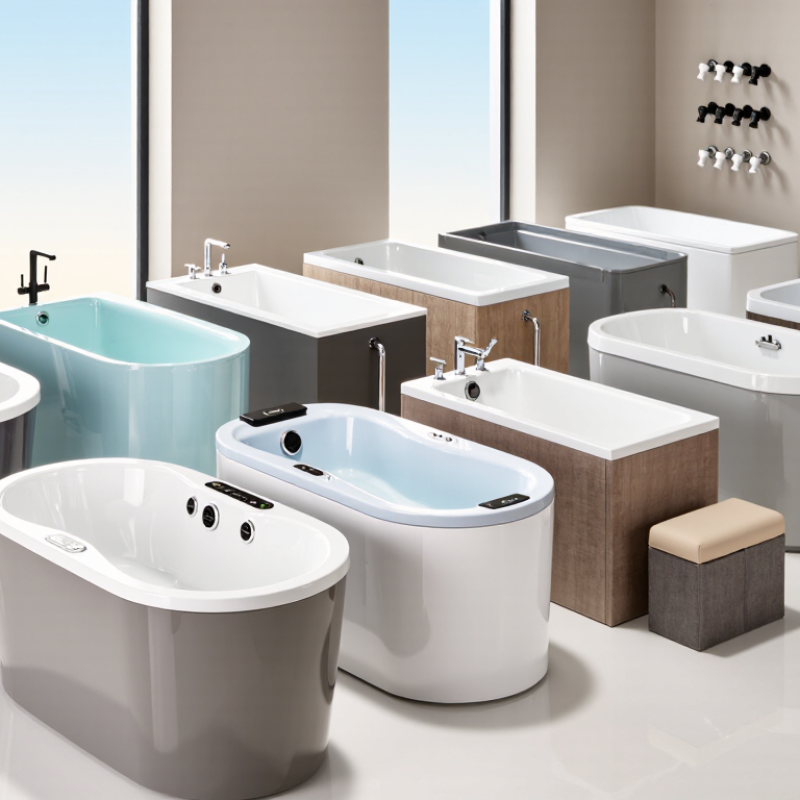
Foot Spa Equipment is a working system, not just a heated basin. Its main categories include soaking units, treatment chairs, water-control components, and technician tools. A basin may offer bubbling, vibration, or adjustable heat. Each feature affects cleaning time, water use, comfort, and maintenance. Small details matter.Check drain access, splash control, and the basin’s interior finish before comparing appearance. Spa Equipment should suit the service menu, room size, and daily client volume. A compact salon may prioritize quick filling; a wellness center may need adjustable seating and easier client access. These categories can overlap, so buyers should compare functions rather than rely on product labels alone.
The International Spa Association’s 2024 U.S. Spa Industry Study reported $21.3 billion in industry revenue and 182 million spa visits in 2023. Those figures show a large service market, but they do not prove every business needs complex equipment. Often, simpler works. Buyers should request water capacity, heating range, electrical load, drainage needs, and replacement-part details in writing. Consider who will clean the basin between appointments and how staff will reach its drain. Reports describe market activity, not the best setup for an individual shop; site measurements and hands-on testing still matter.
Choosing a Chinese Foot Spa Equipment manufacturer takes more than comparing catalog photos and quoted prices. Check whether the factory builds key components in-house or relies on outside workshops. Ask for material specifications, production lead times, and inspection records for pumps, heating elements, and chair surfaces. Small details matter. A loose drain fitting can cause delays after installation. Request a sample unit or a live production walkthrough, and compare the delivered product with the approved drawings. If the supplier also makes Head Spa Equipment, confirm that its experience matches your product requirements rather than assuming the categories share the same expertise.
Reliable communication is part of quality control. Ask who handles technical questions, how replacement parts are identified, and what support is available when a unit arrives damaged. Clear answers should include practical documents, such as wiring diagrams, maintenance instructions, and a parts list. Verify that the manufacturer can provide relevant test reports, and check that model numbers match the paperwork. A polished brochure is not proof. I would also ask for customer references with similar order sizes, though references can be difficult to verify independently. Do not overlook packaging: inspect corner protection, moisture barriers, and crate dimensions before shipment. Even a capable factory may miss a detail, so record agreed specifications in writing.
The ten profiles below reflect distinct capabilities found among Chinese Foot Spa Equipment manufacturers. One manufacturer may specialize in compact foot baths for salons, with molded basins and straightforward controls. Another focuses on massage chairs, where frame strength, reclining movement, and foot-roller comfort deserve close inspection. A third produces soaking tubs with heating functions; buyers should check temperature stability, not just the display setting.Details matter. A fourth integrates water circulation and removable filters, which can make routine cleaning easier.
A fifth manufacturer builds commercial units for busy wellness centers and may offer reinforced casters or larger water tanks. A sixth concentrates on portable equipment, where weight and storage space matter more than extra features. A seventh supplies cabinetry and basin assemblies, so confirm how joints resist moisture over time. An eighth develops electronic control panels; ask for clear operating instructions and replacement-part information. A ninth offers customized dimensions or finishes, although customization can extend lead times. A tenth combines several product types under one production operation. Ask for proof. Product photos alone cannot confirm build quality, service response, or consistent production. Request specifications, sample testing, and written warranty terms, then compare the actual details.
One caution: a polished catalogue can hide practical gaps. The right supplier depends on the buyer’s installation space, expected daily use, and maintenance capacity.
Foot Spa Equipment manufacturers differ in product depth, customization, and output capacity. Some focus on basic soaking tubs; others offer massage rollers, adjustable heating, drainage systems, and digital controls. Compare specifications closely. A clear temperature range, smooth basin edges, and accessible drain fittings matter during daily use. Small details matter.
Customization may include basin dimensions, control-panel language, color, packaging, or electrical settings. Ask which options use existing tooling and which require new molds. The distinction affects minimum order quantities, sample costs, and delivery schedules. A polished catalog can still leave practical questions unanswered. Request product drawings, material details, and test records for the exact model under consideration. For production capacity, check monthly output, current lead time, and how the factory handles quality checks across large batches. Ask for evidence, not just estimates. A smaller supplier may offer flexible changes, while a larger operation may support repeat orders more consistently; neither is automatically the better choice.
Tips: Compare one sample from each shortlisted supplier. Check heating stability, noise, drainage, and finish after repeated use. Then confirm that quoted capacity matches your order size and delivery window.
When comparing China’s top Foot Spa Equipment manufacturers, look beyond polished product photos. Ask for quality procedures covering basin materials, water temperature control, pump performance, and electrical safety. Request test reports for the exact model you plan to buy, not just a similar unit. Confirm that certificates match your target market and remain valid. Details matter.
A certificate file can look reassuring while leaving important gaps. Check whether production batches are traceable and whether the supplier records inspection results before shipment. Ask how defects are handled and what the warranty excludes. For Beauty Equipment, practical details matter too: request clear cleaning instructions, user manuals, and guidance on routine maintenance. If answers stay vague, pause and verify.
After-sales support should be measurable. Confirm response hours, available spare parts, repair procedures, and who pays shipping for warranty replacements. Ask whether technicians can troubleshoot remotely using photos or video, and request sample service records with sensitive information removed. Keep records. A low price may still make sense, but only if replacement parts and support remain accessible. I would not treat a fast sales reply as proof of reliable long-term service; compare written commitments with actual support arrangements.
Before contacting Chinese foot Spa Equipment manufacturers, write a clear specification. Include basin dimensions, chair capacity, pump type, drain position, upholstery, and expected daily use. Photos of your treatment room can help suppliers flag space or plumbing issues. Details matter. Ask for current product photos, technical sheets, warranty terms, minimum order quantity, and production lead time. Compare like with like; a low quotation may exclude packaging or spare parts.
Request a sample or arrange a live video inspection before placing a large order. Check water flow, control buttons, seams, and drainage, not just the finish. Confirm that electrical ratings and product documents suit your destination market. Ask how defects are recorded and resolved. Vague answers deserve a follow-up. I would not treat a polished catalogue as proof of consistent factory quality.
Get a written quotation that separates equipment, export packaging, freight, and any inspection costs. Agree on payment milestones and a pre-shipment inspection plan in writing. For mixed salon orders, verify that a Salon Equipment Trolley fits the same shipment dimensions and handling plan. Confirm carton measurements before booking freight; small errors can affect storage and delivery costs. Keep all approved specifications and sample photos together. One detail is easy to miss: changes made after approval should be documented, even when they seem minor.
| Step | Sourcing Dimension | What to Confirm | Buyer Action |
|---|---|---|---|
| 1 | Product scope | Determine whether you need a pedicure spa chair, foot basin, basin liner, plumbing components, or a complete installation package. Product configurations vary by supplier. | Prepare a written specification covering intended use, dimensions, materials, functions, and required accessories. |
| 2 | Supplier capability | Check whether the supplier manufactures the product, assembles it, or trades products made by other factories. Ask which production and inspection processes are handled in-house. | Request a factory profile, a live or recorded factory tour, and details of the production site and subcontracting arrangements. |
| 3 | Product specifications | Confirm the basin material, chair upholstery, frame construction, dimensions, plumbing layout, electrical input, and included functions. Specifications differ between models. | Obtain a model-specific datasheet and drawings; have any changes documented in the quotation and purchase order. |
| 4 | Destination-market compliance | Electrical, plumbing, labeling, and product-safety requirements depend on the destination country and the product configuration. | Identify applicable requirements with a qualified compliance professional or testing body. Verify that any test reports match the exact model and market. |
| 5 | Samples and functional checks | A sample can help assess fit, finish, controls, water flow, drainage, and operation of the specified functions. | Agree on sample configuration and cost before ordering. Test the sample against the approved specification and retain a signed reference record. |
| 6 | Quotation and order terms | Prices may exclude items such as packaging, inland transport, testing, tooling, or shipping. Minimum order quantities and lead times vary by supplier and configuration. | Request an itemized quotation and confirm quantity, currency, production lead time, payment schedule, warranty terms, and any additional charges in writing. |
| 7 | Quality control | Inspection criteria should address the agreed specifications, appearance, assembly, included accessories, packaging, and relevant functional checks. | Set acceptance criteria before production. Consider a pre-shipment inspection and require corrective action for documented nonconformities. |
| 8 | Packaging and shipping readiness | Large or assembled equipment can require careful protection against movement, impact, and moisture during transport. Packing needs depend on the product and route. | Approve packaging details, carton or crate markings, packing list, and shipment dimensions. Confirm who arranges export packing and cargo insurance. |
| 9 | Trade terms and import costs | Incoterms® rules allocate specified responsibilities, costs, and risks between seller and buyer; they do not replace a complete sales contract. | State the agreed Incoterms® rule and named place in the contract. Ask a customs broker to verify classification, duties, taxes, and import documentation for your market. |
| 10 | Final order and after-sales support | Installation needs, spare-part availability, technical documentation, and warranty coverage should be agreed for the destination market. | Before payment, check the final purchase order against the approved sample and specifications. Obtain manuals, parts lists, warranty terms, and a written process for handling claims. |
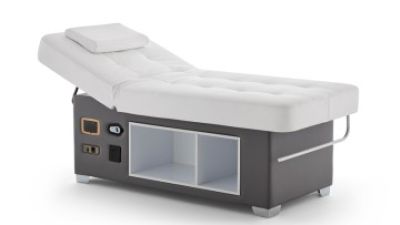
The D-18 Heated Electric Bed helps create a more comfortable, adaptable setting for spa and salon treatments. Its electric design makes it a practical choice for services such as facials, massages, body therapies, and relaxation sessions, allowing professionals to shape the treatment experience around each client’s needs. Whether a session calls for focused skincare or a longer period of rest, the bed provides a welcoming foundation for a range of wellness services.
Gentle, consistent warmth across the bed’s surface adds another layer of comfort, helping clients feel relaxed throughout their appointment. A warm treatment space can make it easier to settle in and enjoy the experience, while supporting the soothing atmosphere that many spa and salon services aim to provide. Designed for professional beauty and wellness environments, the D-18 combines everyday functionality with a comfort-focused feature, helping practitioners offer a more inviting experience from the start of a treatment to its finish.
Common categories include soaking units, treatment chairs, water controls, and technician tools. Some functions overlap.
Check water capacity, heating range, drain access, splash control, and the interior finish. A shiny surface alone tells you little.
Measure the space and consider daily appointment volume. A compact salon may need quick filling, while easier client access may matter more elsewhere.
Request electrical load, drainage needs, material details, lead times, and replacement-part information. Keep the approved drawings, too.
Ask whether key parts are made in-house, and request inspection records for pumps and heating elements. A sample unit can reveal small flaws.
Check reports for the exact model and confirm documents match its model number and target market. Paperwork can still leave gaps.
Confirm response times, spare-part availability, repair steps, and who pays return shipping for warranty replacements. Get the terms in writing.
Review corner protection, moisture barriers, and crate dimensions. A strong product can still arrive damaged.
No. Reported market activity cannot decide what suits one shop; measurements and hands-on testing are more useful. I would still double-check.
This guide introduces Foot Spa Equipment and its main categories, including products designed for professional spa settings and personal use. It explains how buyers can assess Chinese manufacturers by examining product range, customization options, production capacity, manufacturing experience, and communication practices. Rather than focusing on brand names, the article offers a practical framework for comparing suppliers and identifying those that best match a project’s requirements.
The guide also highlights the importance of verifying relevant quality standards, certifications, inspection procedures, warranty terms, and after-sales support before placing an order. Its sourcing section outlines a clear purchasing process: define specifications and expected quantities, request product details and quotations, review samples where appropriate, confirm production and delivery arrangements, and document agreed terms. Together, these steps can help buyers make informed decisions and manage the sourcing process with greater confidence.