inquiry
Leave Your Message
0%

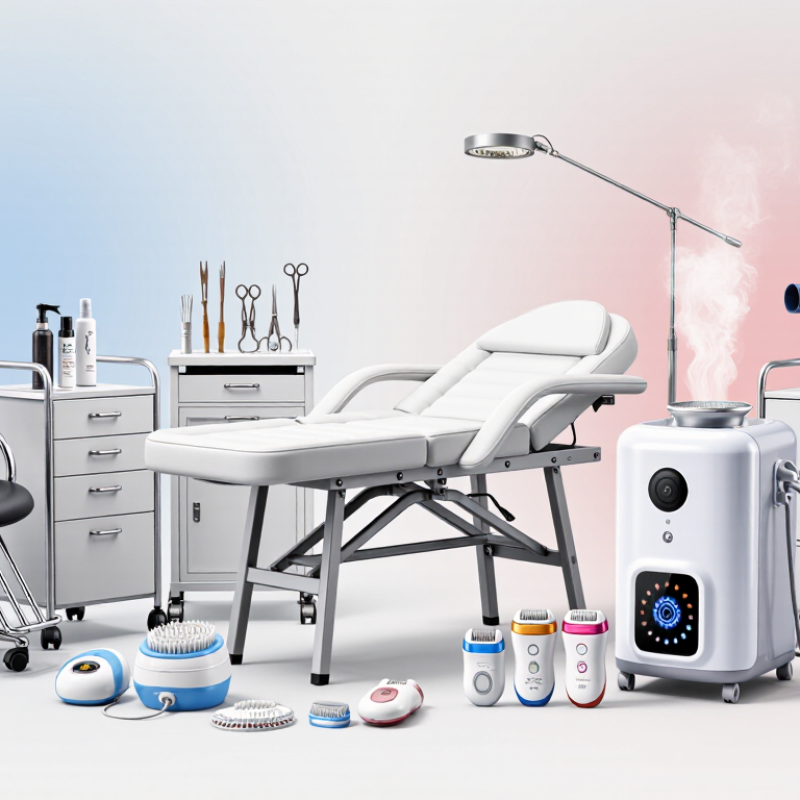
Beauty equipment is basically the gear—tools, gadgets, and furniture—you use for personal care, whether at home or in a salon. And it's a pretty wide category: think facial steamers, cleansing devices, LED units, hair-removal systems, salon chairs, treatment beds, and styling tools. Some are made for everyday use; others really need a professional who knows what they're doing. Honestly, the name alone won't really tell you which one you need—you kind of have to figure it out yourself.

Demand is definitely on the rise—though, to be honest, a lot depends on how researchers define what counts as a “beauty device.” Take Grand View Research’s Beauty Devices Market report, for instance. They put the global market at USD 52.3 billion in 2023 and expected it to keep growing through 2030. But here’s the thing: that number is specifically about beauty devices, not every gadget or tool you’d find in a salon. So you can’t just treat it as the total for all Beauty Equipment. It’s an easy mix-up, honestly. And it actually matters a lot when you’re comparing different reports or trying to judge whether a product claim holds up.

When you’re putting together a practical guide, it makes sense to sort things by function, setting, and who’s going to use it. Take a salon owner, for example: they’re probably comparing treatment beds based on how adjustable they are, whether the surfaces are easy to clean, and how much weight they can hold. A home user, on the other hand, might care more about clear instructions, how much maintenance it needs, and overall comfort. Specs and third-party test results can point you in the right direction, but they’re not a substitute for thinking carefully about how you’ll actually use the product. And let’s be honest—not every shiny new feature is worth it. So before you pick anything, it's worth thinking about who's actually going to use it, what kind of service it works with, and how often you'll need to keep it maintained. Honestly, once you get those details straight, everything else starts to make way more sense—and you'll find yourself asking the right questions without even trying.
What Is Beauty Equipment and What Types Are Available?

What Beauty Equipment Is and How It Works

Beauty Equipment refers to devices and tools used to support skincare and personal-care treatments. In a spa, equipment may cleanse, warm, illuminate, or gently massage the skin. Each device works differently. A facial steamer releases warm vapor to soften surface buildup, while a light-based device delivers specific wavelengths to the skin. Microcurrent tools use low-level electrical currents to stimulate facial muscles. Results vary, and these devices should not be treated as medical care.

Spa Equipment also includes magnifying lamps, treatment beds, and cleansing machines. Some tools rely on simple mechanical action; others use heat, light, or sound waves. The operator selects settings based on the device instructions and the client’s comfort. Clean contact surfaces matter. So does checking for irritation or discomfort during a treatment. The categories can overlap, and descriptions alone do not always explain how a device feels in use.

Tips: Read the operating guide before each session. Keep devices clean and inspect cords or attachments for wear. Start with conservative settings, and stop if the skin feels painful or unusually hot. Small details matter. A patch test may help identify sensitivity, though it cannot predict every reaction.

The Main Purposes of Beauty Equipment

The Main Purposes of Beauty Equipment

Beauty Equipment helps practitioners assess skin, perform cosmetic treatments, and track changes over time. A magnifying lamp can reveal dry patches or clogged pores before a facial. Skin-imaging systems may record pigmentation and texture, giving clients a clearer baseline. Other devices support cleansing, exfoliation, hair reduction, or body-contouring procedures. Their purpose is specific: a device designed for one treatment may not suit another.

The machine is not magic.

Demand for aesthetic services provides useful context, though procedure totals do not measure equipment sales. The International Society of Aesthetic Plastic Surgery’s 2023 Global Survey recorded about 19.1 million nonsurgical aesthetic procedures worldwide. That figure includes varied treatments, not just device-based ones. Energy-based equipment can deliver controlled heat or light, but outcomes depend on device settings, skin characteristics, and operator training.

A consultation should cover expected benefits, possible side effects, and aftercare. For example, redness after some treatments may be temporary, but not every person responds alike. Reports and manufacturer guidance can inform decisions; neither replaces a qualified assessment. Teams should also document settings and inspect equipment regularly.

Small details matter.

Common Categories of Beauty Equipment

Common Categories of Beauty Equipment

Beauty Equipment covers tools used for skin assessment, cleansing, hair removal, and body or foot care. ISAPS reported 19.1 million nonsurgical aesthetic procedures worldwide in its 2023 Global Survey. That figure shows the scale of demand, but it does not measure equipment sales. Common categories include magnifying lamps and skin analysers, ultrasonic scrubbers, LED devices, and professional hair-removal systems. Their functions differ, so matching a device to the service matters.

Treatment equipment may use light, heat, suction, or gentle electrical currents. Body-care machines can support massage or skin-firming services, while Foot Spa Equipment includes basins, massage units, and drying tools. A typical spa setup might pair a foot basin with a cleanable stool and a towel warmer. Details matter. Operators should check manufacturer instructions, client suitability, maintenance needs, and staff training before use. Device claims can sound more certain than the evidence; results vary, and that deserves honest attention.

Tips: Keep treatment surfaces clean and inspect cords, filters, and water-contact parts regularly. Record maintenance dates. A simple checklist helps, though it will not replace proper training.

Technologies Used in Beauty Treatments

Beauty treatment equipment uses controlled energy, heat, light, water, or suction to support specific services. LED devices deliver selected wavelengths to the skin surface; results depend on the device, treatment plan, and individual. They are not a replacement for medical care. Keep that distinction clear.

Microcurrent equipment sends low-level electrical currents through handheld probes. Practitioners use conductive gel and steady movements across the face. Radiofrequency devices create heat in targeted tissue, so settings and contact time matter. Ultrasound tools use sound waves for treatments such as cleansing or product application, though evidence and suitability vary by use. More power does not mean better care.

In a head spa, Head Spa Equipment may include a basin, adjustable chair, water-flow controls, and scalp camera. Steamers and magnifying lamps can also help practitioners inspect the scalp and prepare it for cleansing. Small details matter: a warm towel, stable neck support, and properly cleaned attachments affect comfort and hygiene. Not every scalp needs steam. Devices should be selected after checking the client’s skin, health history, and treatment goals; that step can feel less impressive than the technology, but it deserves attention.

Where Beauty Equipment Is Used

Beauty Equipment is used in salons, spas, skin-care studios, and some clinical settings. Its purpose depends on the service and the user’s training. A salon may use treatment beds, magnifying lamps, steamers, and facial cleansing tools. These help staff work steadily and see skin details clearly. In a spa, heated towels, body-treatment tables, and gentle massage devices support relaxation services. Not every device suits every room. Space, cleaning access, ventilation, and client privacy all matter.

Clinical settings may use specialized equipment for procedures that require appropriate professional qualifications. Staff should follow the device instructions, screen clients for relevant sensitivities, and keep treatment surfaces clean between appointments. At home, people often use simple tools such as cleansing brushes or facial rollers. More powerful devices need careful research and realistic expectations. A polished room does not guarantee good service. In practice, even a thoughtful setup can feel cramped when cords, supplies, and client movement are overlooked.

Tips: Match equipment to the service and your training. Check cleaning requirements before buying. Keep walkways clear, and explain what a device will feel like before use.

How to Choose and Use Beauty Equipment Safely

Choosing Beauty Equipment starts with the service you actually provide, not the longest feature list. Check that the device suits the treatment, your training, and the client’s needs. Read its instructions before use; settings that seem mild can still irritate skin. For unfamiliar products, test a small area when the guidance recommends it. Stop if there is pain, unusual heat, or persistent redness.

Inspect equipment before each session. Look for cracked plugs, loose parts, frayed cords, and residue around contact surfaces. Keep electrical devices away from sinks and wet towels. Clean and disinfect reusable surfaces according to the manufacturer’s instructions, and let them dry fully. A Salon Equipment Trolley can keep tools organized, but it should not block exits or hold liquids beside powered equipment. Small details matter.

During treatment, explain what the device will feel like and check in with the client. Use only settings you understand, and never improvise around a warning light or damaged attachment. I have seen routines become so familiar that people stop noticing small risks; that is worth questioning. Pause when unsure. Record maintenance and cleaning, and arrange repairs through a qualified service professional rather than attempting risky fixes yourself.

Creating a Versatile Beauty Space with Luxury Salon Furniture and a Spa Massage Bed

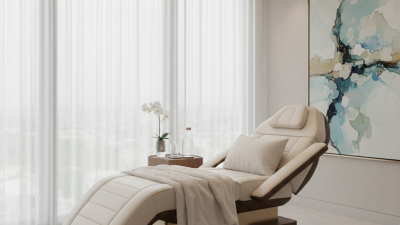
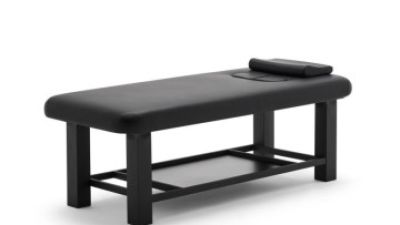
Creating a versatile beauty space begins with furniture that balances comfort, durability, and visual harmony. A modern wooden frame can bring warmth to a salon or hotel treatment room, while metal components provide a sturdy foundation for frequent use. An adjustable, foldable Spa Massage Bed helps staff adapt the room for different treatments and reclaim floor space when needed; a fixed headrest offers steady support during sessions. These practical features can also suit wellness areas in homes, hospitals, and other hospitality settings, where easy-to-use furniture helps create a calm, professional atmosphere.

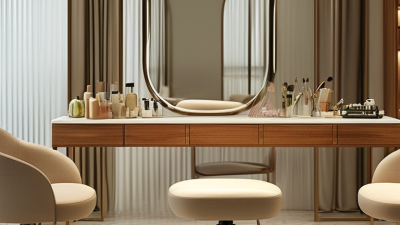
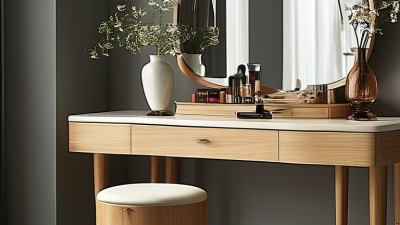
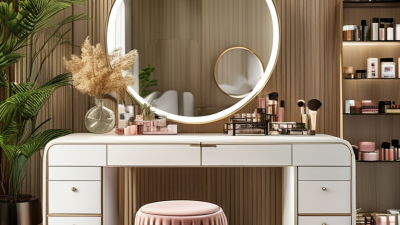
The investment in thoughtful treatment spaces reflects a wider interest in wellbeing. The Global Wellness Institute’s *2024 Global Wellness Economy Monitor* reports that the global wellness economy reached $6.3 trillion in 2023 and projects growth to $9 trillion by 2028. For salon owners and spa operators, that context makes flexible, high-quality furnishings a useful part of designing welcoming services. Pairing a refined massage bed with coordinated salon furniture can define distinct areas for consultation, beauty treatments, and relaxation without making a room feel crowded. Durable materials, adaptable positioning, and clean modern lines help the space serve changing needs while maintaining a polished, comfortable feel.

FAQS

What are the main purposes of beauty equipment?

It can help practitioners assess skin, perform specific cosmetic treatments, and track changes over time. It is not magic.

How can skin-imaging systems help during a consultation?

They can record details such as pigmentation and texture, giving clients a baseline for later comparison. Images do not replace a qualified assessment.

Do all beauty devices work for the same treatments?

No. A device is designed for particular uses, such as cleansing, exfoliation, or body contouring. Choosing the wrong tool matters.

What should clients discuss before an energy-based treatment?

Ask about expected benefits, possible side effects, and aftercare. Skin characteristics and operator training can affect outcomes.

What technologies are used in beauty treatments?

Some devices use light, low-level electrical currents, radiofrequency heat, ultrasound, water, or suction. More power does not mean better care.

What equipment might a head spa use?

It may include a basin, adjustable chair, water-flow controls, and scalp camera. Steamers and magnifying lamps may also be used.

Why do cleaning and equipment checks matter?

Clean attachments support hygiene, while regular inspections and recorded settings help teams monitor equipment use. Small details matter.

Is steam suitable for every scalp?

No. Practitioners should consider the client’s skin, health history, and treatment goals. The technology may look impressive, but assessment deserves attention.

Conclusion

Beauty Equipment refers to tools and devices designed to support skincare, grooming, and other non-invasive beauty treatments. Depending on their purpose, these devices may cleanse the skin, improve the appearance of its texture, assist with hair removal, or help deliver products more evenly. Common categories include facial-care devices, hair and scalp tools, body-care equipment, and manicure and pedicure tools. Some use technologies such as light, gentle heat, vibration, suction, or electrical stimulation to provide a treatment effect.

Beauty Equipment is used in homes, salons, spas, and professional skincare settings, with the choice of equipment depending on the treatment, user experience, and setting. Before use, read the instructions and check that the device is suitable for your skin or hair type. Keep equipment clean, use it only as directed, and stop if irritation or discomfort occurs. Safe, consistent use and realistic expectations are important for making beauty treatments a comfortable part of a personal-care routine.
Liam

Liam

Liam is a seasoned marketing professional with a passion for the beauty and wellness industry. Since joining Bazhou Mingshi Lirong Furniture, a leading manufacturer of salon furniture established in 1994, he has developed an extensive understanding of their diverse product line, which includes......
Previous China Best Pedicure Chair Suppliers for Global Buyers